














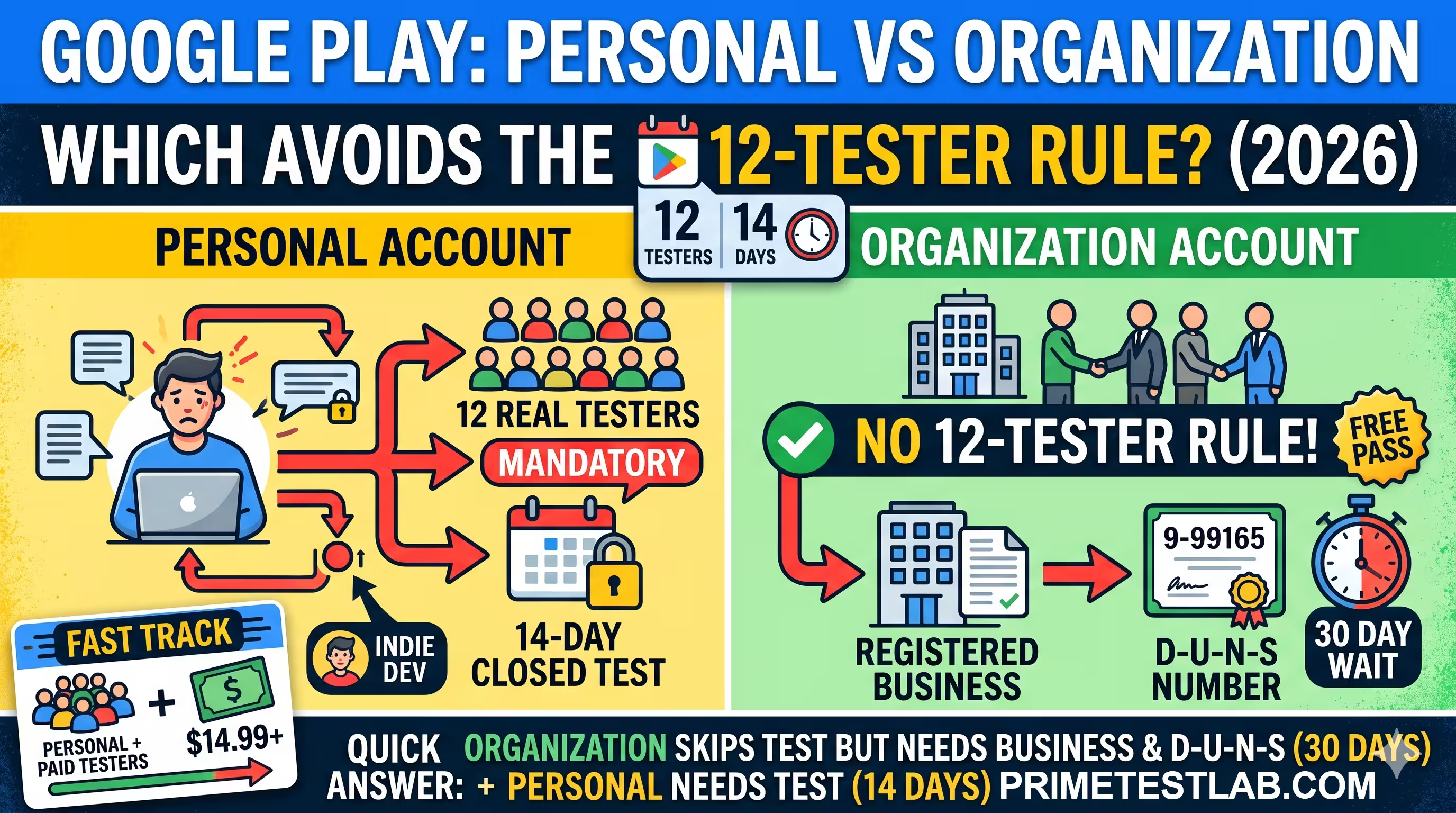
Samodzielny deweloper
Niezależni twórcy i hobbyści
- Dotyczy kont utworzonych po 13 listopada 2023 r.
- Jednorazowa opłata rejestracyjna 25 USD i dokument tożsamości
- Najszybsza konfiguracja, rejestracja trwa kilka minut
Zarejestrowana firma
Firmy, studia i aplikacje regulowane
- Wymaga prawdziwego podmiotu prawnego i numeru D-U-N-S
- Wymaga zweryfikowanej witryny i dokumentów firmy
- Najwolniejsza konfiguracja, D-U-N-S może zająć 30 dni
Krótka odpowiedź
Konta organizacji w Google Play nie podlegają wymogowi testu zamkniętego (closed testing) z udziałem 12 testerów przez 14 dni. Wymóg obejmuje osobiste konta dewelopera utworzone po 13 listopada 2023 r. Konto organizacji wymaga jednak prawdziwej zarejestrowanej firmy oraz numeru D-U-N-S, na który można czekać od 28 do 30 dni. Dla większości samodzielnych deweloperów publikujących jedną aplikację ukończenie 14-dniowego testu zamkniętego jest szybsze i tańsze niż zakładanie firmy. PrimeTestLab zapewnia 12 prawdziwych testerów uczestniczących w teście od 19,99 USD, plus 5% opłaty serwisowej. Test zwykle rusza w 4-6 godzin.
Jeśli nowe osobiste konto dewelopera w Google Play wyświetla wymóg 12 testerów przez 14 dni, naturalnie pojawia się pytanie: czy można go ominąć, rejestrując konto organizacji? Krótka odpowiedź brzmi: tak, ponieważ zasada dotyczy wyłącznie kont osobistych. Sam wybór organizacji nie jest jednak bezpłatny, szybki ani dostępny dla każdego. Dla wielu deweloperów okazuje się wolniejszą drogą. Ten poradnik wyjaśnia, kogo obejmuje wymóg, jak naprawdę działa zwolnienie organizacji, ile kosztuje czasu i pieniędzy oraz jak wybrać właściwą drogę. Stan informacji na 28 czerwca 2026 r.
W tym poradniku
Który typ konta omija wymóg 12 testerów?
Google Play oferuje dwa typy kont dewelopera: osobiste i organizacji. Obowiązkowy wymóg testów zamkniętych obejmuje konta osobiste utworzone po 13 listopada 2023 r. Zasada nie wymienia kont organizacji, dlatego zweryfikowane konto tego typu może publikować bezpośrednio w wersji produkcyjnej bez przeprowadzania 14-dniowego testu.
Konto organizacji wymaga jednak możliwej do zweryfikowania firmy i numeru D-U-N-S, dlatego samodzielny hobbysta nie może wybrać go bez podstawy prawnej. To właśnie zmienia prosty wybór ustawienia w rzeczywistą decyzję, w której pomaga dalsza część poradnika.
Uczciwe wyjaśnienie: konta organizacji omijają test nie dlatego, że Google premiuje firmy, lecz dlatego, że zasada została napisana wyłącznie dla kont osobistych. Zwolnienie działa, ale wynika z pominięcia, a nie z pisemnej obietnicy. Najlepiej traktować je jako bardzo prawdopodobne, nie jako gwarancję. Ten niuans wyjaśniamy poniżej.
Narzędzie decyzyjne: która droga pasuje do Ciebie?
Najpierw szybko oceń własną sytuację. Odpowiedz na cztery pytania, a narzędzie przedstawi rekomendację na podstawie czynników, które rzeczywiście rozważają deweloperzy: istniejącej firmy, kategorii aplikacji, liczby publikowanych aplikacji i terminu. Dane nie są nigdzie wysyłane. Narzędzie działa wyłącznie w Twojej przeglądarce.
Konto osobiste czy organizacji: co wybrać?
Cztery krótkie pytania. Wynik aktualizuje się na bieżąco.
Dla samodzielnego dewelopera publikującego jedną aplikację bez istniejącej firmy konto osobiste i rzetelny 14-dniowy test zamknięty są zdecydowanie najszybszą i najtańszą drogą. Założenie firmy tylko po to, by ominąć test, pochłonęłoby więcej czasu i pieniędzy niż sam test.
Naprawdę trudne jest znalezienie 12 testerów, którzy pozostaną aktywni nieprzerwanie przez 14 dni. Właśnie tym zajmuje się PrimeTestLab, od 19,99 USD, plus 5% opłaty serwisowej.
Konto organizacji pozwala publikować pod nazwą firmy i omija warunek 14-dniowego testu. Potrzebujesz numeru D-U-N-S, zweryfikowanej witryny, dokumentów firmy i urzędowego dokumentu tożsamości. Firma będzie też przygotowana do programu Android Developer Verification.
Aplikacje finansowe, zdrowotne, VPN i administracji publicznej muszą korzystać z konta organizacji niezależnie od wymogu testów. Konto osobiste nie zostanie zaakceptowane. Uzyskaj numer D-U-N-S i przygotuj dokumenty organizacji przed rozpoczęciem prac.
Co dokładnie mówi wymóg 12 testerów?
W Pomocy Konsoli Play Google podaje: „Jeśli masz nowo utworzone osobiste konto dewelopera, musisz przeprowadzić testy zamknięte aplikacji z udziałem co najmniej 12 testerów, którzy nieprzerwanie uczestniczyli w programie testowania co najmniej przez ostatnie 14 dni”, zanim można poprosić o opublikowanie wersji produkcyjnej. Deweloperzy najczęściej potykają się o cztery szczegóły:
Jest 12, nie 20
Google obniżyło minimum z 20 do 12 testerów. Zmiana pojawiła się w Konsoli Play 11 grudnia 2024 r. Okres 14 dni pozostał bez zmian. Artykuł, który nadal podaje 20, jest nieaktualny. Szczegóły znajdziesz w polskim poradniku o zmianie z 20 na 12 testerów.
„Nieprzerwanie” znaczy dosłownie
14 dni musi następować bez przerwy. Jeśli tester dołączy do testu, opuści go i dołączy ponownie, licznik zaczyna biec od początku. Testerzy muszą być prawdziwymi osobami z autentycznymi kontami Google, korzystającymi z aplikacji na prawdziwych urządzeniach z Androidem.
Liczy się tylko test zamknięty
Test wewnętrzny z udziałem do 100 testerów oraz test otwarty nie spełniają tego warunku. Test zamknięty jest jedyną ścieżką testów prowadzącą do dostępu do wersji produkcyjnej. Więcej informacji zawiera poradnik o testach wewnętrznych, zamkniętych i otwartych.
Potem następuje weryfikacja
Ukończenie 14 dni nie powoduje automatycznej publikacji. Trzeba wypełnić kwestionariusz złożony z trzech sekcji, a Google go sprawdza. „Zwykle zajmuje to 7 dni lub mniej, ale w niektórych przypadkach może potrwać dłużej.” Proces omawiamy w poradniku z odpowiedziami do wniosku o dostęp do wersji produkcyjnej.
Zasada dotyczy wyłącznie osobistych kont dewelopera utworzonych po 13 listopada 2023 r. Nie obejmuje kont osobistych utworzonych wcześniej ani kont organizacji. Właśnie ten zakres jest całą podstawą „zwolnienia” organizacji. Warto przyjrzeć mu się dokładniej, bo nie jest tak bezwzględny, jak może się wydawać.
Czy konta organizacji naprawdę są zwolnione?
W większości przypadków tak, ale trzeba dodać jedno uczciwe zastrzeżenie. Dokumentacja Google dotycząca wymagań testowych wymienia wyłącznie konta osobiste. Firma nie publikuje zdania „konta organizacji są zwolnione”. Zwolnienie wynika z zakresu zasad, a nie z jednoznacznej obietnicy.
Jak to rozumieć: zwolnienie wynika ze sposobu, w jaki Google skonstruowało zasady, nie z luki wykorzystywanej przez dewelopera. W praktyce działa, a zweryfikowane konta organizacji regularnie publikują bezpośrednio w wersji produkcyjnej. Ponieważ jednak wynika z pominięcia, a nie z wyraźnego stwierdzenia, nie jest całkowicie pewne.
Niewielka liczba deweloperów korzystających z kont organizacji nadal widziała w Play Console komunikat o teście zamkniętym. Zwykle był to ślad po migracji konta albo błąd interfejsu. Dlatego traktuj zwolnienie jako bardzo prawdopodobne, nie jako twardą gwarancję.
Sprawdź to we własnej Konsoli Play
Zanim oprzesz plan publikacji na ominięciu testu, potwierdź zwolnienie na własnym zweryfikowanym koncie organizacji. Jeśli widzisz komunikat o teście zamkniętym, nie uznawaj go automatycznie za błąd. Najpierw wyjaśnij sprawę w Konsoli Play. Niezweryfikowane założenie łatwo opóźnia publikację.
Czy samodzielny deweloper może po prostu wybrać „organizację”?
Nie, i to właśnie ten moment zaskakuje wielu deweloperów. Aby zarejestrować konto organizacji i przejść weryfikację, Google wymaga numeru D-U-N-S powiązanego z możliwym do zweryfikowania podmiotem prawnym. Google ujmuje to wprost:
"We will not accommodate any exemptions or provide extensions for any organization accounts that fail to provide a D-U-N-S number." Google Play Console Help (po angielsku)
Oznacza to, że deweloper bez zarejestrowanej firmy nie może po prostu zaznaczyć „organizacji”, aby uniknąć testu. Jednoosobowa działalność prowadzona wyłącznie pod nazwą handlową (DBA), bez odrębnego podmiotu prawnego i bez dokumentów firmowych, zwykle nie przejdzie weryfikacji organizacji, ponieważ taka działalność nie jest podmiotem prawnie odrębnym od osoby. W praktyce większość samodzielnych deweloperów, którzy chcą iść tą drogą, najpierw zakłada LLC albo spółkę.
Nie zmyślaj firmy
Fabrykowanie podmiotu gospodarczego lub użycie fałszywych dokumentów firmowych w celu obejścia zasady to naruszenie Warunków korzystania z usługi, które może skończyć się trwałym zamknięciem konta. Droga przez organizację jest legalna tylko wtedy, gdy masz prawdziwą firmę albo jesteś gotowy ją założyć. Nie istnieje skrót polegający na jej wymyśleniu.
Czego wymaga konto organizacji w 2026 r.
Rejestracja organizacji to cięższy proces niż konto osobiste. Oto wszystko, o co prosi Google; szczegółem, na którym pada najwięcej weryfikacji, jest zgodność danych: nazwa prawna i adres muszą być identyczne w rekordzie D-U-N-S i w profilu Google Payments.
Numer D-U-N-S
Dziewięciocyfrowy identyfikator Dun and Bradstreet, obowiązkowy bez wyjątków poza niektórymi instytucjami rządowymi i nieobsługiwanymi regionami.
ObowiązkowyNazwa prawna i adres
Muszą dokładnie zgadzać się z rekordem D-U-N-S i profilem Google Payments. Każda rozbieżność między tymi trzema źródłami może zakończyć się odrzuceniem weryfikacji.
Muszą się zgadzaćZweryfikowana strona internetowa
Domena potwierdzona przez Google Search Console. Profile społecznościowe ani domeny tymczasowe nie przejdą.
Twoja domenaDokumenty urzędowe
Ostemplowane pismo IRS (CP575 lub 147C potwierdzające numer EIN) albo stanowy akt założycielski.
Dowód firmyOpłata rejestracyjna 25 USD
Ta sama jednorazowa opłata, którą płacą konta osobiste, kartą kredytową lub debetową. Nigdy się nie powtarza.
JednorazowaTożsamość i płatności
Google weryfikuje profil płatności, co może potrwać do 5 dni, plus przegląd tożsamości, który zwykle zajmuje kilka dni.
Do 5 dniDla porównania: konto osobiste wymaga tylko nazwy dewelopera, zweryfikowanego e-maila i telefonu, dokumentu tożsamości i opłaty 25 USD. Bez D-U-N-S, bez dokumentów firmowych, bez weryfikacji strony. Ta różnica to cały powód, dla którego konto osobiste otwiera się szybciej - i cały powód, dla którego niesie wymóg testów.
Ile trwa uzyskanie numeru D-U-N-S i ile kosztuje
To najważniejszy powód, dla którego droga przez organizację jest powolna. Numer D-U-N-S jest bezpłatny, ale standardowy czas oczekiwania jest długi. Strony pomocy Google podają dwie wartości - raz do 28, raz do 30 dni - więc planuj z zapasem na dłuższy wariant. W tym oknie nie dokończysz weryfikacji profilu Google Payments ani rejestracji, więc w praktyce stoisz w miejscu.
Skrót przez iOS
Jeśli publikujesz także w iOS, złóż wniosek o numer D-U-N-S przez portal Apple Developer. Dzięki wieloletniej współpracy Apple z Dun and Bradstreet numery uzyskiwane tą drogą są często wydawane bezpłatnie w około pięć dni roboczych. Ten sam dziewięciocyfrowy numer działa potem w Twoim profilu Google Payments, co pozwala całkiem uniknąć opłaty $229.
Ignoruj dosprzedaż i uważaj na oszustwa
Przedstawiciele Dun and Bradstreet często proponują płatne pakiety budowania wiarygodności kredytowej za setki dolarów. Do Google Play nie potrzebujesz niczego takiego - wystarczy numer bezpłatny albo podstawowy przyspieszony. Numer nigdy nie wygasa i nie ma opłaty za odnowienie, więc każda faktura wzywająca do „odnowienia” numeru to próba wyłudzenia.
Ile kosztuje założenie firmy tylko po to, by ominąć testy
Jeśli nie masz jeszcze podmiotu, założenie go wyłącznie po to, by uniknąć 12 testerów, może po cichu stać się najdroższą i najwolniejszą opcją. Dołóż do czasu założenia podmiotu (zwykle od jednego do czterech tygodni) oczekiwanie na D-U-N-S (do 28-30 dni) i weryfikację płatności, a droga przez organizację regularnie zajmuje kilka tygodni. Tak naprawdę wygląda porównanie obu dróg:
Podmiot + konto organizacji
Aby ominąć test dzięki organizacji.
Opłaca się tylko wtedy, gdy masz już podmiot albo publikujesz wiele aplikacji
Konto osobiste + 14-dniowy test
Zostań przy koncie, które już masz.
Najszybsza i najtańsza droga dla samodzielnego dewelopera z jedną aplikacją
W niektórych stanach droga A wypada znacznie gorzej
Koszty ogromnie różnią się między stanami USA. Kalifornia pobiera minimalny roczny podatek franczyzowy $800, należny nawet w pierwszym roku i nawet wtedy, gdy aplikacja nic nie zarabia. Nowy Jork to przypadek szczególny: na mocy Section 206 każda nowa LLC musi przez sześć tygodni publikować ogłoszenie o założeniu w dwóch wyznaczonych przez hrabstwo gazetach - w 2026 r. kosztuje to od około $230 w hrabstwie Albany do $1 950 i więcej na Manhattanie. Tylko kilka stanów ma podobne przepisy, ale jeśli działasz w jednym z nich, dochodzi realny koszt i tygodnie zwłoki.
Konto osobiste i organizacji: uczciwe porównanie
Wszystko powyżej, zestawione obok siebie. Zielony oznacza wyraźną przewagę, a oznaczone wiersze wskazują dodatkowy koszt, opóźnienie albo twardą blokadę. Wzór jest spójny: konto osobiste wygrywa szybkością i prostotą, organizacja wygrywa pominięciem testu - za cenę czasu, pieniędzy i papierologii.
Pułapka migracji: zmiana konta w trakcie projektu rzadko pomaga
Częste założenie brzmi: zacznę na koncie osobistym, a gdy trafię na ścianę testów, „przejdę” na organizację i pominę test. To tak nie działa. Istniejącego konta osobistego nie da się przekształcić w konto organizacji - trzeba od zera zarejestrować nowe konto organizacji.
Konto osobiste
Trafiasz na ścianę 12 testerów
Konto organizacji
Musi być zarejestrowane od zera
Co więcej, wymóg testów jest przypisany do wpisu aplikacji utworzonego na Twoim koncie osobistym. Aby naprawdę go ominąć, musisz skonfigurować aplikację od nowa na nowym, zweryfikowanym koncie organizacji - a to może oznaczać nową nazwę pakietu i ponowne podpięcie wszystkiego, co jest z nią związane, na przykład konfiguracji Firebase lub OAuth, oraz utratę dotychczasowej historii testów wewnętrznych. Jeśli nazwa pakietu jest zaszyta w zewnętrznych zależnościach, których nie da się łatwo przenieść, możesz w praktyce utknąć z wymogiem mimo posiadania konta organizacji.
Wniosek
Zdecyduj o typie konta na początku, zanim zaczniesz budować, a nie po zderzeniu ze ścianą. Jeśli istnieje realna szansa, że pójdziesz drogą organizacji, załóż ją najpierw. Jeśli zostajesz przy koncie osobistym, wpisz 14-dniowy test do planu premiery od pierwszego dnia, aby licznik biegł, gdy Ty kończysz aplikację.
Kiedy założenie podmiotu naprawdę się opłaca?
Potraktuj to jak szybki schemat decyzyjny. Znajdź wiersz, który brzmi jak Ty, a rekomendowana droga stoi po prawej:
Samodzielny deweloper, bez firmy, jedna aplikacja
Zostań przy koncie osobistym i ukończ 14-dniowy test. Zdecydowanie najszybciej i najtaniej - zacznij test pierwszego dnia, aby licznik biegł, gdy Ty budujesz.
Masz już zarejestrowaną firmę albo numer D-U-N-S
Zarejestruj konto organizacji. Pomijasz bramkę testową i masz już wszystko gotowe pod program Android Developer Verification opisany niżej.
Twoja aplikacja to finanse, zdrowie, administracja lub VPN
Konto organizacji jest w praktyce wymagane niezależnie od zasady testów. Uruchom proces D-U-N-S od razu, a przy napiętym terminie rozważ przyspieszenie za $229.
Jesteś studiem lub publikujesz seryjnie (3+ aplikacje rocznie)
Podmiot się zwraca. Na koncie osobistym test obowiązuje przy każdej aplikacji, więc pięć nowych aplikacji to pięć osobnych 14-dniowych cykli - co najmniej 70 dni skumulowanego tarcia. Konto organizacji zdejmuje ten powtarzalny podatek.
Mieszkasz w drogim stanie, jak Kalifornia lub Nowy Jork
Roczny podatek franczyzowy $800 w Kalifornii albo nowojorskie opłaty publikacyjne przechylają decyzję przy jednej aplikacji jeszcze mocniej w stronę zwykłego testu na koncie osobistym.
Dwie zmiany 2026 r., które o niczym tu nie przesądzają
Obie pojawiają się w dyskusjach o typie konta, ale żadna nie rozstrzyga wyboru między kontem osobistym a organizacją, bo obie dotyczą każdego typu konta:
Android Developer Verification
Odrębna kontrola tożsamości, nie zasada testów. W marcu 2026 r. została otwarta dla wszystkich deweloperów, egzekwowanie zaczyna się w Brazylii, Indonezji, Singapurze i Tajlandii, a od 2027 r. rozszerza się globalnie. Organizacje weryfikują się numerem D-U-N-S i zweryfikowaną stroną internetową.
Egzekwowanie od 30 września 2026 r.Targetowanie API 36 (Android 16)
Nowe aplikacje i aktualizacje muszą być kierowane na Androida 16 (poziom API 36) lub wyższy. To termin techniczny, obowiązujący niezależnie od typu konta - zadanie w buildzie, a nie czynnik wyboru konta.
Od 31 sierpnia 2026 r.Jak pomaga PrimeTestLab
Jeśli masz konto osobiste - najczęstszy przypadek wśród niezależnych deweloperów - 14-dniowy test zamknięty to Twoja najszybsza droga do wersji produkcyjnej. Trudność rzadko tkwi w samych 14 dniach; polega na znalezieniu 12 zaangażowanych testerów na prawdziwych urządzeniach z Androidem, którzy naprawdę otwierają aplikację i z niej korzystają, bo właśnie to zaangażowanie Google sprawdza przed przyznaniem dostępu do wersji produkcyjnej.
Tę lukę wypełnia PrimeTestLab. Otrzymujesz prawdziwych testerów uczestniczących w teście na prawdziwych urządzeniach z Androidem, z pełnym pokryciem 14 dni; test rusza zwykle w około 4 godziny (z gwarancją startu do 6), skuteczność to 99,9% przy 9 800+ aplikacjach, a zasięg obejmuje 120+ krajów.
Nawet jeśli przysługuje Ci zwolnienie
Test zamknięty to nadal dobra praktyka. Wyłapuje awarie pierwszego dnia i zepsute ścieżki, które zaniżają wczesne oceny, więc pomijanie go tylko dlatego, że wolno Ci to zrobić, nie zawsze jest mądre. Czysty przebieg testu chroni Twoją premierę niezależnie od tego, czy Google go wymaga.
Aktualne pakiety
Starter
12 testerów
19,99 USD
Enterprise
25 testerów
27,99 USD
Professional
20 testerów
29,99 USD
Gwarancja zwrotu pieniędzy · Start testu w 4-6 godzin · Bez abonamentu
Aktualne opcje znajdziesz na stronie cennika, proces krok po kroku opisuje jak to działa, a jeśli chcesz rekomendacji dla swojej aplikacji, napisz do nas na WhatsApp. Dodatkowi testerzy w większych planach działają jak bufor na wypadek rezygnacji - wyjaśniamy to w artykule dlaczego możesz potrzebować więcej niż 12 testerów. Każdy plan obejmuje gwarancję zwrotu pieniędzy, a przy płatności doliczane jest 5% opłaty serwisowej.
Najczęstsze pytania
Czy konto organizacji w Google Play wymaga 12 testerów?
Nie. Wymóg testu zamkniętego z udziałem 12 testerów przez 14 dni dotyczy tylko osobistych kont dewelopera utworzonych po 13 listopada 2023 r. Zweryfikowane konta organizacji mogą publikować bezpośrednio w wersji produkcyjnej. Tak Google określiło zakres zasad, nie jest to luka. Google nie potwierdza jednak zwolnienia jednym kategorycznym zdaniem, dlatego sprawdź je we własnej Konsoli Play.
Czy można zmienić konto osobiste na konto organizacji, aby ominąć test?
Nie przez przekształcenie konta. Trzeba zarejestrować nowe konto organizacji, a wymóg testów jest powiązany z wpisem aplikacji utworzonym na koncie osobistym. Jego ominięcie zwykle oznacza skonfigurowanie aplikacji od początku na koncie organizacji, co może przerwać działanie usług powiązanych z nazwą pakietu. Dla większości deweloperów ukończenie 14-dniowego testu jest szybsze niż cała ta droga okrężna.
Czy jednoosobowa działalność może uzyskać konto organizacji?
Zwykle nie bez utworzenia odrębnego podmiotu prawnego. Weryfikacja organizacji wymaga numeru D-U-N-S powiązanego z możliwą do zweryfikowania firmą oraz dokumentów urzędowych, takich jak pismo IRS z numerem EIN lub akt założycielski. Jednoosobowa działalność działająca wyłącznie pod nazwą DBA zwykle nie spełnia tych warunków, więc praktycznym krokiem jest najpierw utworzenie LLC albo spółki.
Jak długo czeka się na numer D-U-N-S?
Według stron Google bezpłatna standardowa procedura może potrwać od 28 do 30 dni. Dun and Bradstreet oferuje przyspieszoną opcję za $229, która zwykle trwa około ośmiu dni roboczych. Jeśli publikujesz także w iOS, wniosek złożony przez portal Apple Developer często jest bezpłatny, a numer przychodzi po około pięciu dniach roboczych.
Czy warto zakładać firmę tylko po to, by ominąć wymóg 12 testerów?
Przy jednej aplikacji i samodzielnej pracy zwykle nie. Po doliczeniu utworzenia podmiotu, oczekiwania na D-U-N-S, weryfikacji i stałych kosztów, takich jak roczny podatek franczyzowy w Kalifornii w wysokości $800, konto organizacji zazwyczaj pochłania więcej czasu i pieniędzy niż jeden 14-dniowy test. Opłaca się głównie wtedy, gdy firma już istnieje, publikujesz wiele aplikacji albo działasz w kategorii wymagającej konta organizacji.
Jak najszybciej ukończyć test zamknięty na koncie osobistym?
Rozpocznij 14-dniowy test możliwie wcześnie i korzystaj z prawdziwych testerów, którzy rzeczywiście używają aplikacji, ponieważ Google sprawdza zaangażowanie, nie tylko instalacje. PrimeTestLab zapewnia 12 prawdziwych testerów uczestniczących w teście od 19,99 USD, plus 5% opłaty serwisowej. Test zwykle rusza w 4-6 godzin. Większe pakiety z 20 i 25 testerami dają dodatkowy bufor na wypadek rezygnacji. Dostępny jest bezpłatny ponowny test lub pełny zwrot pieniędzy.
Czy Android Developer Verification zastępuje test zamknięty?
Nie. To dwa odrębne procesy. Developer Verification jest kontrolą tożsamości, której egzekwowanie rozpoczyna się 30 września 2026 r. w czterech pierwszych krajach. Test zamknięty jest warunkiem uzyskania dostępu do wersji produkcyjnej przez nowe konta osobiste. Spełnienie jednego wymogu nie zastępuje drugiego.
Podsumowanie
Najważniejsze
Konta organizacji omijają zasadę 12 testerów i 14 dni, ale tylko wtedy, gdy masz prawdziwą zarejestrowaną firmę i numer D-U-N-S, na który czeka się nawet 28-30 dni. Dla większości samodzielnych deweloperów z jedną aplikacją założenie firmy tylko po to, by uniknąć testów, kosztuje więcej czasu i pieniędzy niż sam test, więc szybszą drogą jest konto osobiste plus porządnie przeprowadzony 14-dniowy test zamknięty. PrimeTestLab przeprowadza Cię przez ten test z prawdziwymi, zaangażowanymi testerami od 19,99 USD plus 5% opłaty serwisowej, a test rusza zwykle w około 4 godziny. Zobacz plany cenowe →
Oficjalna dokumentacja Google